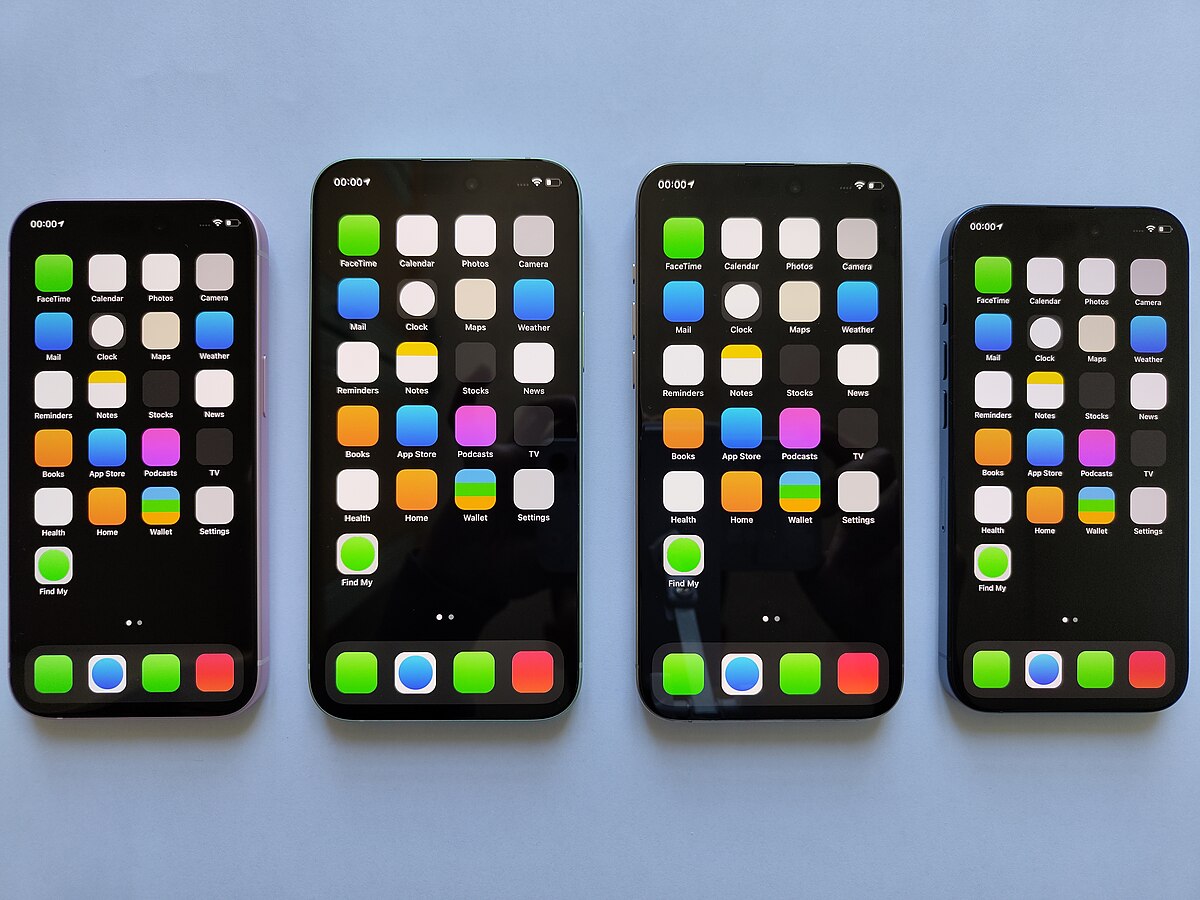
With a proposed bill banning cell phones in schools pending a vote in the Massachusetts House of Representatives, schools across the commonwealth could be seeing — and planning for — quite a change for the 2026-2027 school year.
Legislation that passed the Massachusetts Senate in July by a vote of 38-2 is waiting to be voted on in the House. In the current writing of the bill, the ban on phones would be “bell-to-bell,” meaning that cell phones would not be able to be accessed by students from the start of the school day to the end of it.
The idea hasn’t gone over well with some students.
“I need to get notified for certain things sometimes like for sports or about my ride home, ” junior Ellie Tramontozzi said.
The Massachusetts Legislature has issued a statement saying that the Department of Elementary and Secondary Education will create guidelines for districts to follow when deciding how to implement the ban.
DESE will create these guidelines within 180 days of the law passing. Districts will get to choose which approach to take, whether they decide on using pouches, lockers, or other storage options for electronic devices. Districts will also be able to adjust the rules based on different grade levels and the structures of their day.
According to Pew Research, 72 percent of high school teachers consider cell phones to be a “major problem” in the classroom, with widespread belief that phones and social media have hampered students’ ability to focus and concentrate.
“I think the attention span has been a big part of what has been impacted by cell phone usage,” AMSA English teacher Paige Percoskie said. “I don’t even have students’ attention for movies, and a lot of my students will say sitting down to watch a whole movie and not being on your phone is hard, which is surprising to me.”
AMSA’s current phone policy for high school students is that phones are not allowed to be out during the school day without teacher permission, but they are allowed to be held in possession. From classroom to classroom, teachers have different rules regarding phones, with some allowing them to be in students’ pockets, while others have students place them in cell phone pouches attached to classroom walls.
“The first school I taught at had no phone policy, and that was horrible,” Mrs. Percoskie said. “So I do think AMSA is ahead of the curve on how we handle phone usage, because teachers are pretty strict about keeping it out of sight. When we look at other schools that don’t have the advantage that AMSA has, it would be a night and day difference for some teachers.”

The law also states that certain exceptions to the law can be made for students who need a phone for treating a medical condition, off-campus travel, individualized education plans (IEP), or to accommodate for a disability.
“In the administration’s early discussions, since we already have an implementation with the lower school’s cell phone policy requiring that phones be placed in a locker between 7:55 to 2:45, I think it would fit our current understanding of what this law is going to look like for our upper school students,” said James Fortier, the Upper School dean of students.
The future of AMSA’s senior privilege of using a phone when eating outside for lunch might also be changed to adhere to a new law.
“Lunch would probably have to default to the law because they’ll still be on campus, so we’re kind of responsible for that component,” Mr. Fortier said.
Students using a senior privilege to sign out during a study hall will most likely have to shift to a paper signout system, instead of the current QR code, that allows students to electronically sign out by scanning a QR code in the front office using their phone.
“The biggest concern is how would they have their phone when they’re off campus,” Mr. Fortier said. “Again, we’re still waiting for the guidelines from the department, but our early indicators seem to be that the students would probably get access to their phones at the time they’re stepping out, and be able to have their electronic device on their person during travel time, just in case of emergencies.”
Again, the idea is not popular with students.
“I think it would be a crazy adjustment and would be very difficult to get used to,” sophomore Marianna Tsianatelis said.
The law is intended as a benefit for students, not a punishment. With a generation growing up around cell phones with endless possibilities, students arguably need help in remaining focused on what they are in school to do.
“I think kids today have it much harder in a lot of ways,” Mr. Fortier said. “Just the scope of our world and everything. But always being attached to information and not having a chance to breathe and separate from it, I think creates social stressors.”
Mr. Fortier thinks a ban is an experiment worth exploring.
“I think there are some hopeful things we will learn from this process,” he said. “And if things go the other way, there’s no reason why we can’t take a look at it in our state government and be able to say ‘Hey, let’s change things up.’ But we don’t know if we never try, right?”