Director Guillermo del Toro, the creative force behind such films as Pan’s Labyrinth and The Shape of Water, realized a lifelong dream when he adapted and directed the most recent film version of Frankenstein. Undeniably gorgeous, it won Oscars on March 15 for production design, costume design, and makeup.
The style is amazing, but the lack of nuance inherent in Mary Shelley’s classic novel holds it back from being incredible.
Visually, the film is stunning. Del Toro’s skills, particularly in working with cinematographer Dan Laustsen, are on full display, with breathtaking lighting and sets. It has an air of gothic grandeur that pushes it a step above previous adaptations.
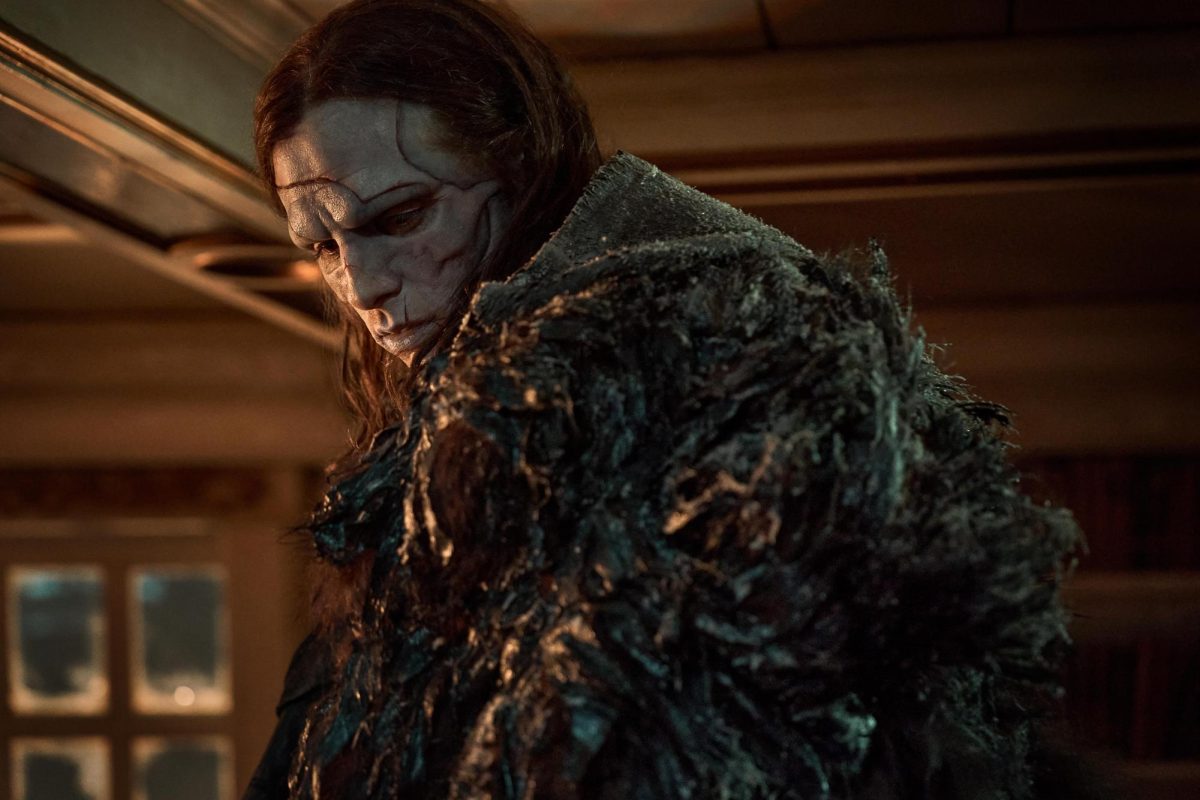
Jacob Elordi’s portrayal of the Creature is certainly another of this film’s strengths. Much like Shelley’s original creation, Elordi manages to be a genuinely imposing threat while simultaneously capturing the character’s innocent, romantic, and eloquent nature. The Creature’s makeup, which is segmented and roughly put together, emphasizes the artificiality of its life.
Victor Frankenstein himself, though, is where the film gets a little more polarizing. Compared to Shelley’s depiction of the character, del Toro’s version of Victor makes him even more arrogant and egotistical. Del Toro uses Victor to explore themes of generational trauma, showing that his treatment of the Creature mirrors the abuse he received from his father, which is antithetical to Shelley’s work.
Unfortunately, Victor’s characterization is thin, and he is stripped of the same kind of moral complexities he has in the book, making any sympathy towards him much harder to muster.
The film does, sadly, lose most of its nuance in this sense. This version of Victor being a kind of sadistic egomaniac effectively chucks any moral ambiguity out the window. It’s hard to empathize with Victor when he shows his creation the tiniest bit of affection before chaining him up in the basement to then berate and beat him.
The ending shifts away from the novel as well. Instead of the Creature losing a sense of purpose and going off to end its own life, Del Toro’s creation is left to live as a kind of cursed immortal, as Victor wishes him the chance to gain an appreciation for life.
As emotional as the film’s ending might be, it ignores Shelley’s original intent almost entirely. It might succeed as an independent work, but it’s not Shelley’s novel.
Overall, Frankenstein is a good film, even if it deviates from its source material. The acting, gorgeous visuals, and emotion all contribute to making it engaging and entertaining, even if it lacks the novel’s complexity. Del Toro’s Frankenstein is an undeniable spectacle, despite its shortcomings.
Four out of five stars.